
Polymetallic nodules in the deep ocean have the potential to supply critical metals for emerging sustainable technologies, as terrestrial mines face declining ore grades and a shortage of new large deposits. Robust environmental impact assessments are crucial before mining can take place.
The SMARTEX project, led by the UK Natural Environment Research Council, investigates the long-term impacts of experimental mining in the Clarion-Clipperton Zone (CCZ).
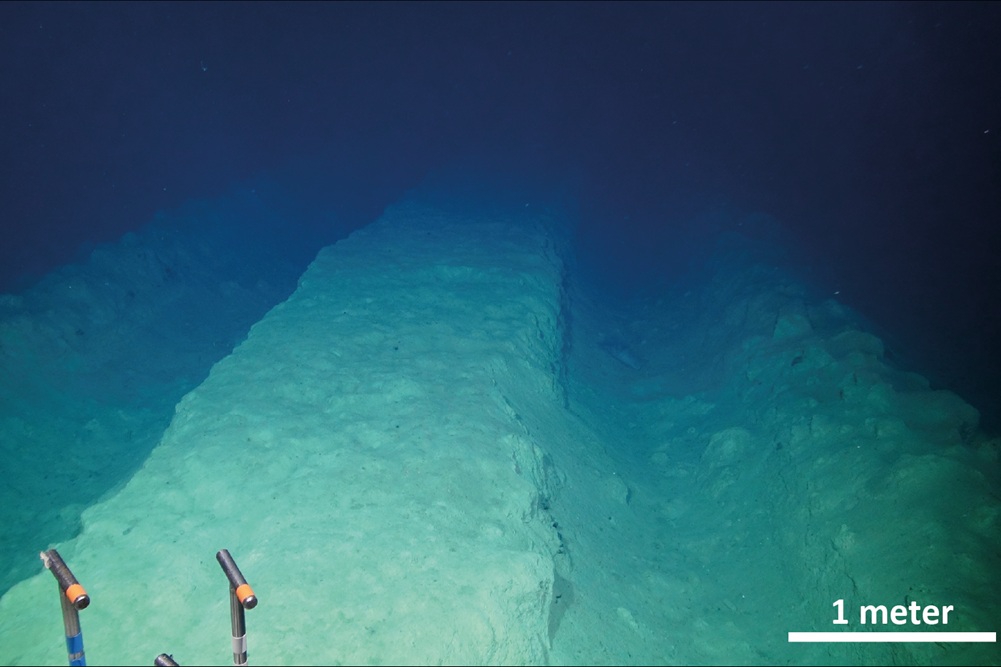
Nearly 45 years after a 1979 Ocean Mining Company (OMCO) trial, surveys show that while physical impacts to the seafloor persist, including removal of the top 10–15 cm of sediment and shifts in Fe, Mn, Ni, and Mo profiles, many biological communities are re-colonizing. Some assemblages already show abundances comparable to undisturbed areas.
The CCZ, located in international waters between Mexico and Hawaii, is considered the world’s largest known nodule field. It is managed by the International Seabed Authority (ISA), and a handful of sponsoring states are conducting exploration activities while awaiting regulatory frameworks that could allow future mining.
Geochemical analyses show that porewater chemistry has largely returned to baseline, indicating substantial equilibration over decades. Numerical modelling of sediment consolidation suggests that excess pore pressure from the collector dissipated quickly, with hydrostatic pressure minimizing the release of buried metals.
The study is one of the few long-term investigations of deep-sea mining impacts, providing a rare glimpse of how abyssal ecosystems respond over decades. While physical disturbances are likely to persist for many decades, the observed re-colonization and resilience of biological communities highlight opportunities to design mining strategies that reduce ecological impact.
Hannah Grant, Senior Minerals Geoscientist at the British Geological Survey (BGS), will explore sediment dynamics, geochemistry, and the surprising resilience of abyssal ecosystems, providing crucial insights for responsible management of future deep-sea mining operations.
Join us at Seabed Minerals 2026, Bergen, Norway, March 24–26, 2026, to learn more!
Read the study in Nature: Long-term impact and biological recovery in a deep-sea mining track